
Welp... You've found a missing page.
Need help finding something? Search below to to find what you’re looking for, or browse some bangers from the Obsidian Archive
Obsidian Archive

Three Fears About Public Spaces I Had as a Black Nerd
As a black female nerd, have you ever been afraid of entering a new space? Renée shares some of her past fears and how she overcame them in our first Constant Companion essay.
The Importance of Creating Worlds for Young Black Readers
Abisola writes about Children of Blood and Bone and Daughters of Nri, and how they are important for young Black readers.
Shade to the Supernatural Nerdom: My Mom’s Disgust For My Love of the Supernatural
Growing up, Afiya loved all things supernatural, but she was often met with pushback…

Representation vs Presentation: Writing Blackness into Dragon Age: Inquisition
When given the choice to play as your own race or a fantasy race, which would you choose? Janae’s answer may surprise you.

Sineya, The First Slayer Reimagined — How ‘Buffy’ Failed Black Girl Magic
Crystal discusses Sineya in Buffy the Vampire Slayer, and some of the issues with her storyline.

‘Avengers: Infinity War’ Illustrates Several Renditions of the Trolley Problem
Sacrifice isn’t new to epic superhero movies. The modus operandi of most heroes is to lay down their life for their friends.
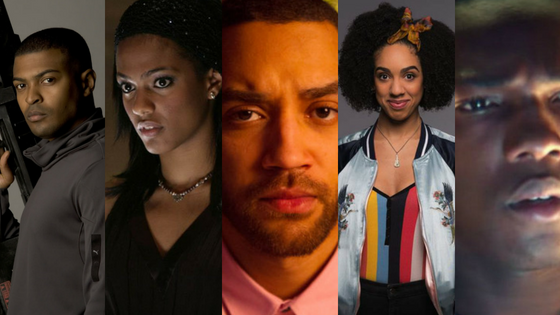
Doctor Who’s Narratives on Race Have Improved — But Have a Long Way to Go
Doctor Who has increased both its racial representation and conversations on racism in recent years, but the show still has a lot of work to do when addressing in-universe racism.
Black History Month and the Magic of Cultural Retention
DJ reflects on how Black cultural retention is its own form of magic and how it can be used in our every day to shape and mold our futures.

The Beautiful Bossiness of Hermione Granger
Zeena recognizes the Hermione that was in her all along.

What ‘Harry Potter’ Doesn’t Teach Us About Allyship & Activism
How does Harry Potter’s Order of the Phoenix show the failures of the series to show a truly progressive and anti-supremacist narrative? What can we learn from these inadequacies of the story to be better allies in the real world?