
Welp... You've found a missing page.
Need help finding something? Search below to to find what you’re looking for, or browse some bangers from the Obsidian Archive
Obsidian Archive
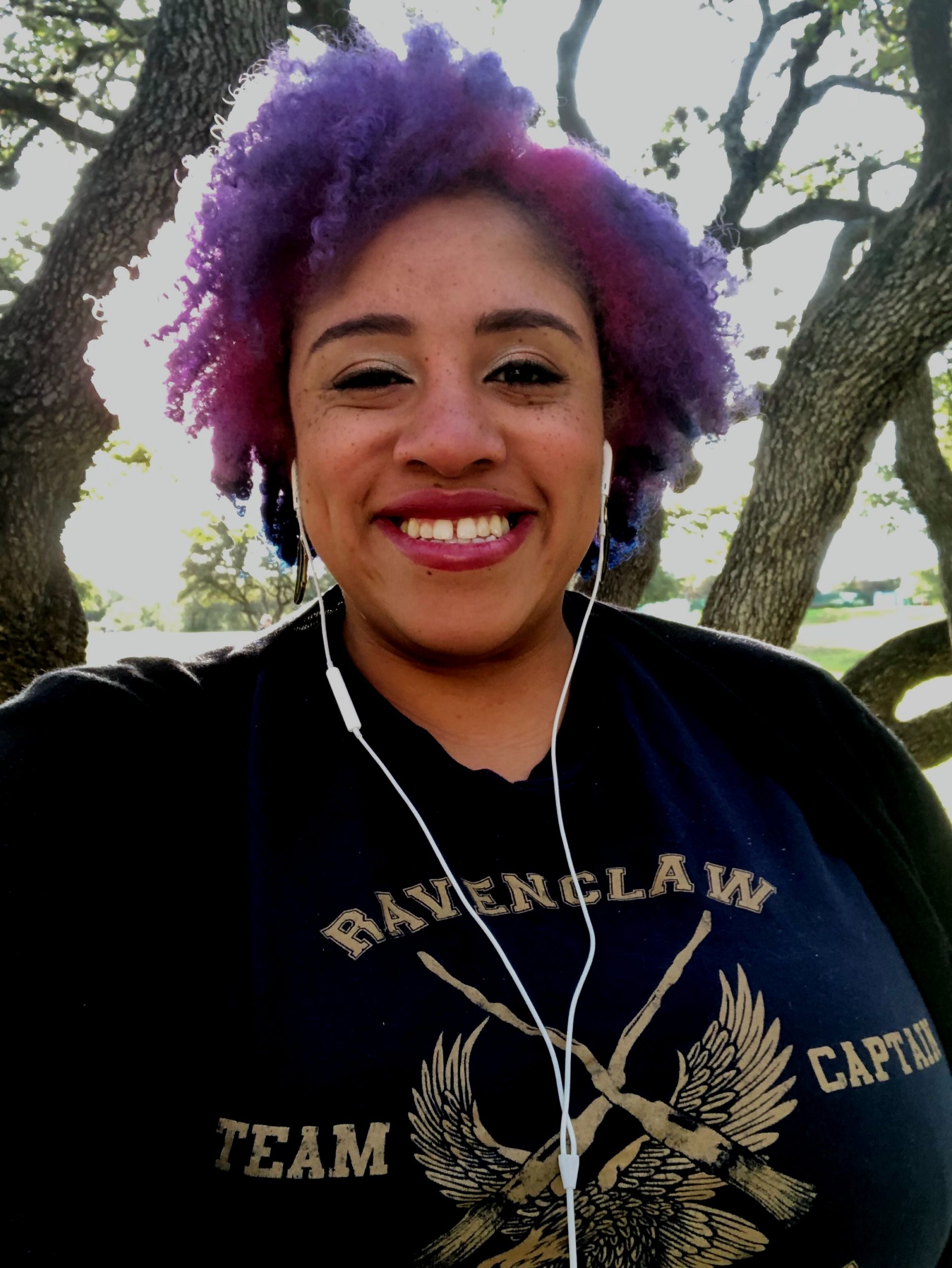
Of White Blaise and Black Hermione: The Highs and Lows of my Harry Potter Journey
How the Harry Potter fandom’s refusal to accept Blaise Zabini as Black left a Black fan feeling like she wasn’t welcome, and how Black Hermione turned it all around.
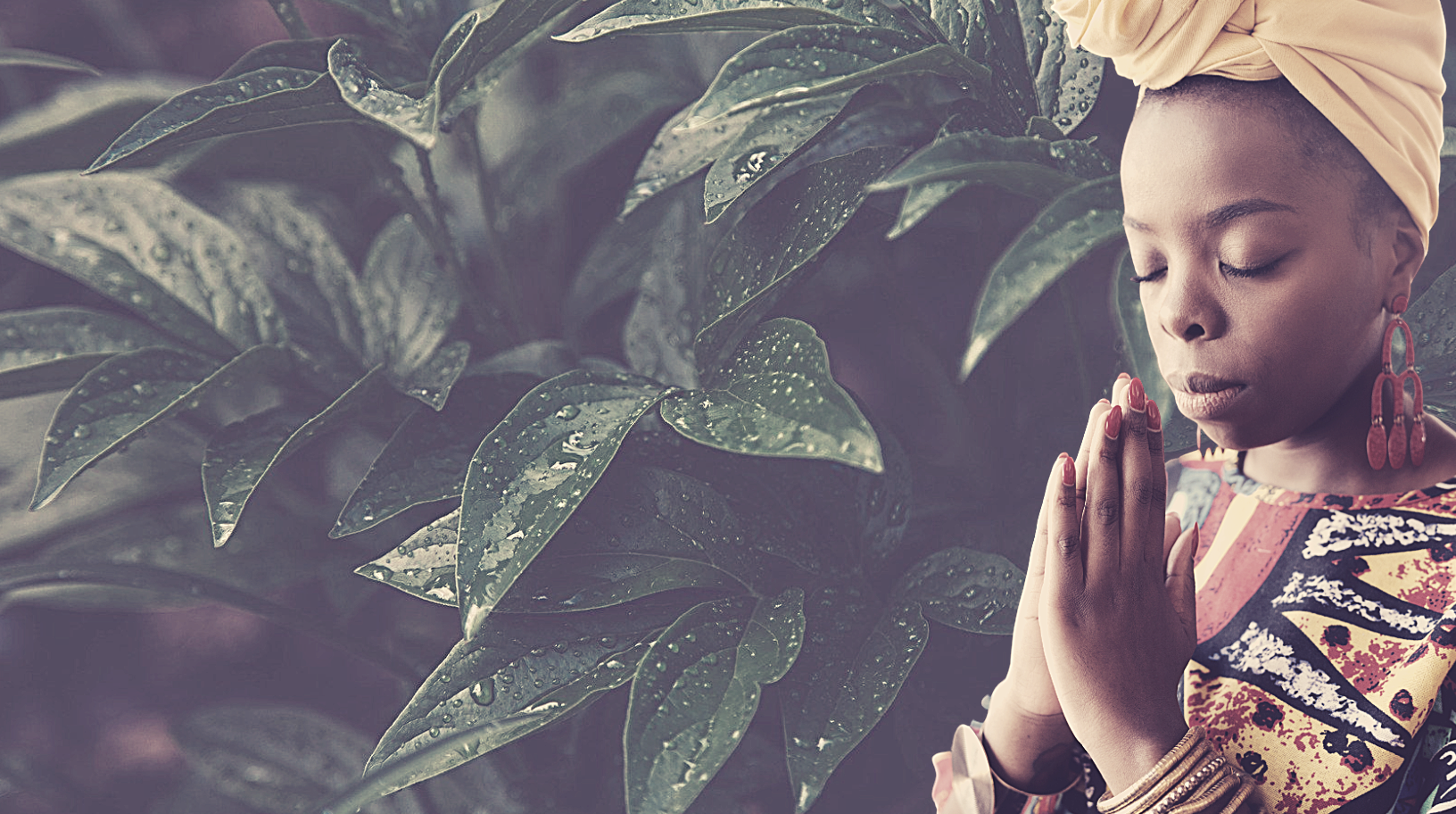
Black History Month and the Magic of Cultural Retention
DJ reflects on how Black cultural retention is its own form of magic and how it can be used in our every day to shape and mold our futures.
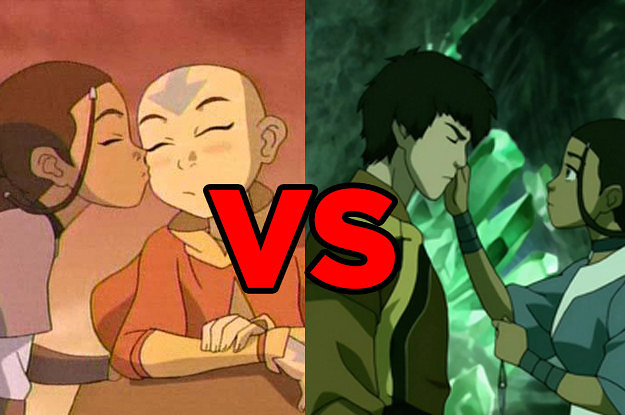
Avatar: The Last Airbender Ships are Meant to Be Fun, Not Destructive
Whether you ship canon ships or non-canon ships, it should be a subculture of like fans, not a battlefield of in-fighting. Critical Companion Ebony explores.

Sineya, The First Slayer Reimagined — How ‘Buffy’ Failed Black Girl Magic
Crystal discusses Sineya in Buffy the Vampire Slayer, and some of the issues with her storyline.
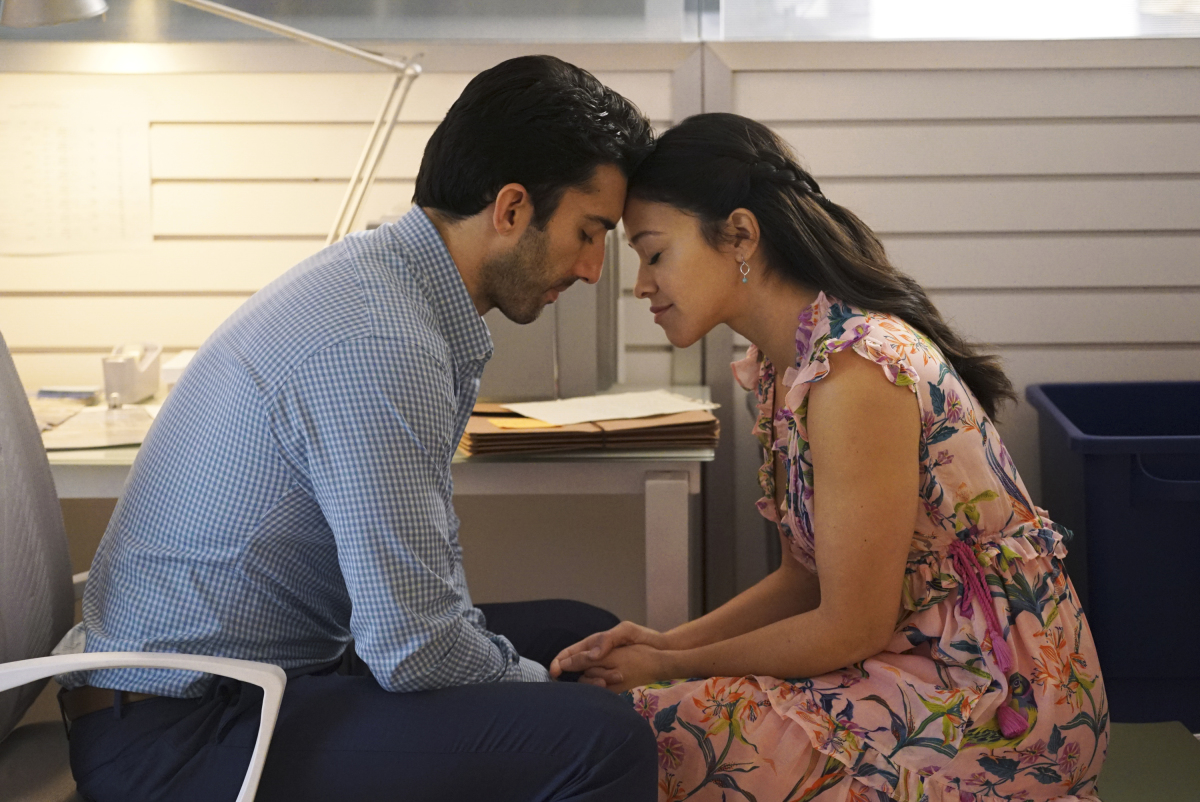
TV Needs More Complex Relationships Like “Jane The Virgin”
Kay-B writes about Jane and Rafael’s relationship in Jane the Virgin, and why it is one of the best depictions on television.

Slavery in Thedas: How BioWare Could Bring Nuance to Dragon Age
Crystal talks about her love of Dragon Age, and what it’s writers can do to improve it.
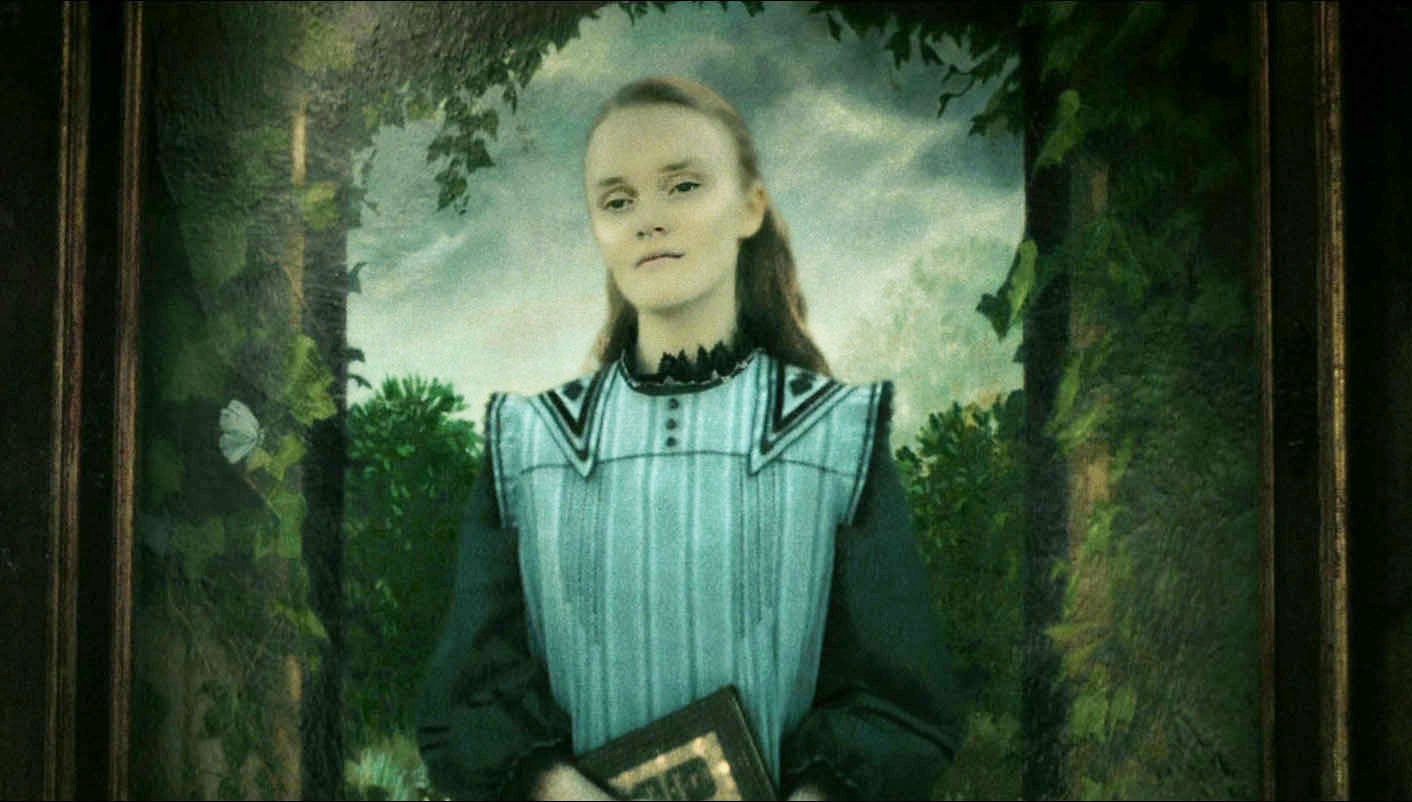
Sacrificial Narratives: The Exploitation of Ariana Dumbledore in Harry Potter
In this #CriticalCompanion, Talia takes a look at Ariana Dumbledore, ableism, and abuse in Deathly Hallows.
How Fantasy Became a Bridge Between Sisters
Syntrell writes about how fantasy books gave her a way to connect with her sister.

Three Fears About Public Spaces I Had as a Black Nerd
As a black female nerd, have you ever been afraid of entering a new space? Renée shares some of her past fears and how she overcame them in our first Constant Companion essay.

What ‘Harry Potter’ Doesn’t Teach Us About Allyship & Activism
How does Harry Potter’s Order of the Phoenix show the failures of the series to show a truly progressive and anti-supremacist narrative? What can we learn from these inadequacies of the story to be better allies in the real world?