
Welp... You've found a missing page.
Need help finding something? Search below to to find what you’re looking for, or browse some bangers from the Obsidian Archive
Obsidian Archive

Worldbuilding and the Marvel Cinematic Universe
Bayana explores how Marvel built a world for the screen in a way that encompasses so many movies and television shows.
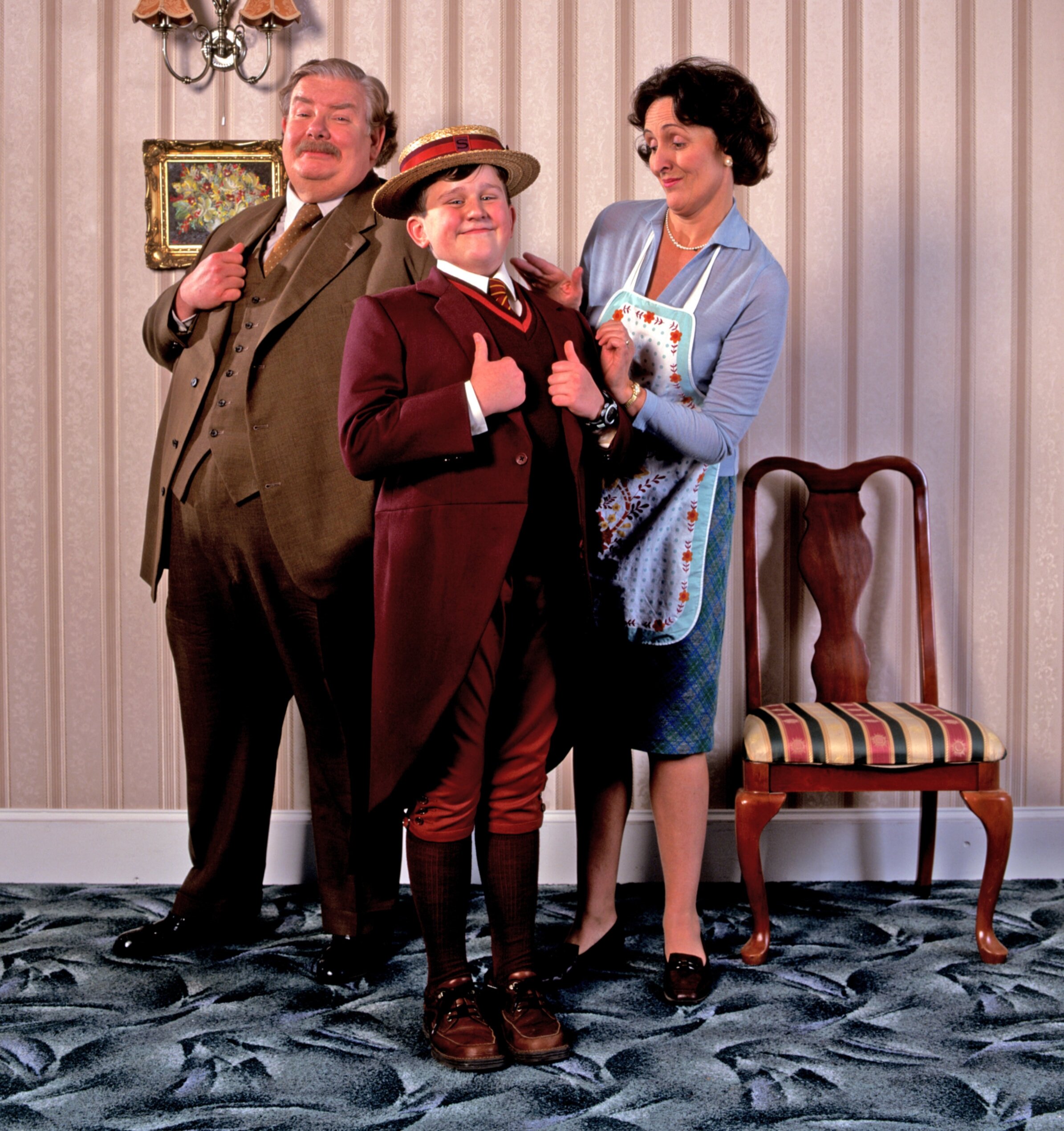
How do the Character Descriptions in ‘Harry Potter’ Hold Up 20 Years Later?
Talia discusses the Harry Potter series falls subject to body shaming.
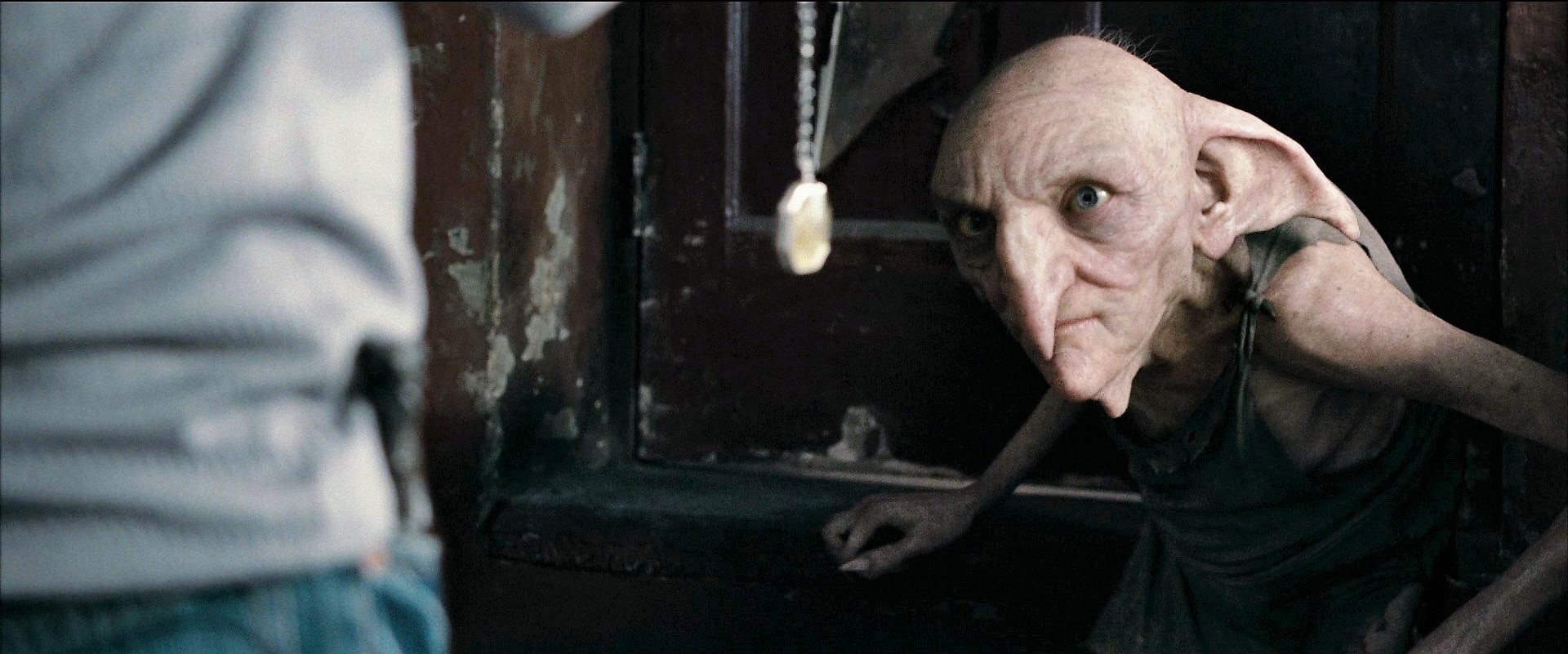
Revisiting Harry Potter’s Final Battle: Where Did All the Kreatures Go?
Talia looks back at the final battle of Harry Potter and the Deathly Hallows Part 2, and searches for the magical creatures and the important role they should have played.
Finally Finding a Place in the Fandom
Stacie writes about how she finally found her place in the Potter fandom.

Slavery in Thedas: How BioWare Could Bring Nuance to Dragon Age
Crystal talks about her love of Dragon Age, and what it’s writers can do to improve it.
Of White Blaise and Black Hermione: The Highs and Lows of my Harry Potter Journey
How the Harry Potter fandom’s refusal to accept Blaise Zabini as Black left a Black fan feeling like she wasn’t welcome, and how Black Hermione turned it all around.

The Importance of Magical Mental Health Education in Harry Potter
There are inevitable risks to living in a magical school, but does Hogwarts truly have the tools to physically and mentally support its students?
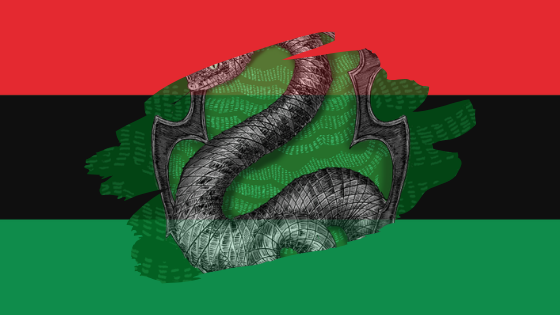
Exploring Slytherin House from a Black Historical Lens
Monika writes about her connection to Slytherin House and how it’s traits can tie to Black liberation.

Magic or No, All Schools Have Limited Range
Patriarchal systems in magical schools (and in the real world) tend to cause problems. Porshèa explores the way these systems manifest in different fictional schools and discusses what should be done to change it.

What ‘Harry Potter’ Doesn’t Teach Us About Allyship & Activism
How does Harry Potter’s Order of the Phoenix show the failures of the series to show a truly progressive and anti-supremacist narrative? What can we learn from these inadequacies of the story to be better allies in the real world?