
Welp... You've found a missing page.
Need help finding something? Search below to to find what you’re looking for, or browse some bangers from the Obsidian Archive
Obsidian Archive
How Fantasy Became a Bridge Between Sisters
Syntrell writes about how fantasy books gave her a way to connect with her sister.
Shade to the Supernatural Nerdom: My Mom’s Disgust For My Love of the Supernatural
Growing up, Afiya loved all things supernatural, but she was often met with pushback…

A Seat on the TARBIS: In Defense of Danny Pink
Amani discusses Doctor Who’s Danny Pink, and why fans should give him a little more grace.
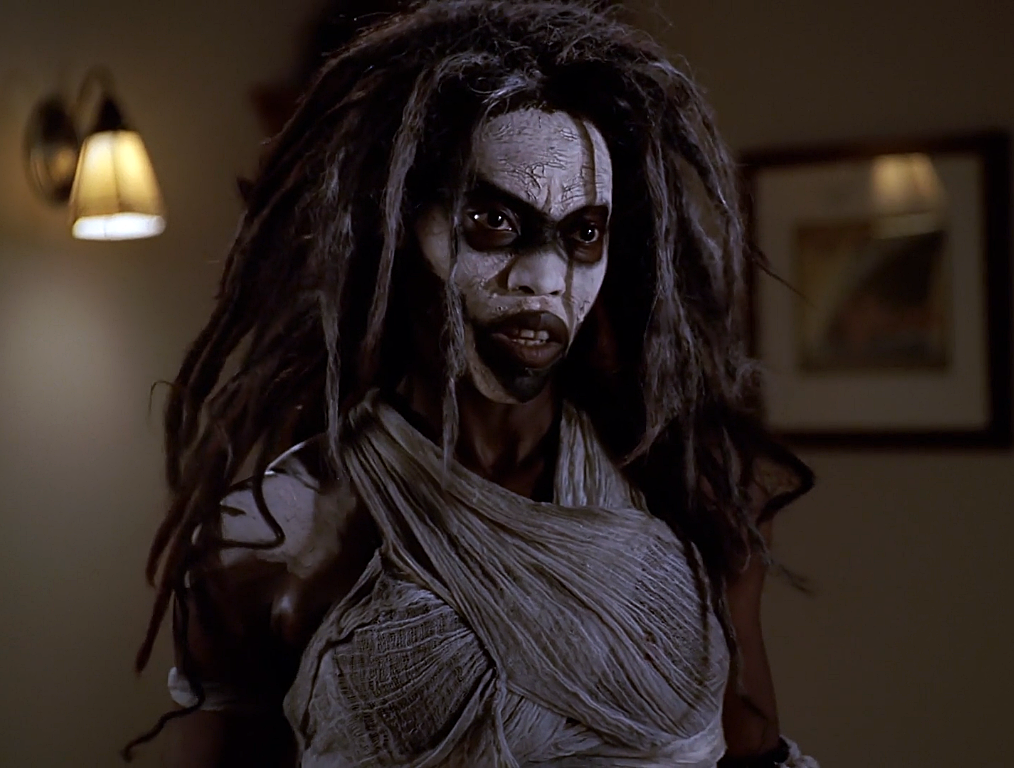
Sineya, The First Slayer Reimagined — How ‘Buffy’ Failed Black Girl Magic
Crystal discusses Sineya in Buffy the Vampire Slayer, and some of the issues with her storyline.
My Granny and Her Love of Comics
Bilal writes about their grandmother, who shared her love of comics and knowledge.

Nerd Love in the Time of Social Distancing
How can nerds date during a global pandemic? K. Alexandra offers some tips from her own experiences.
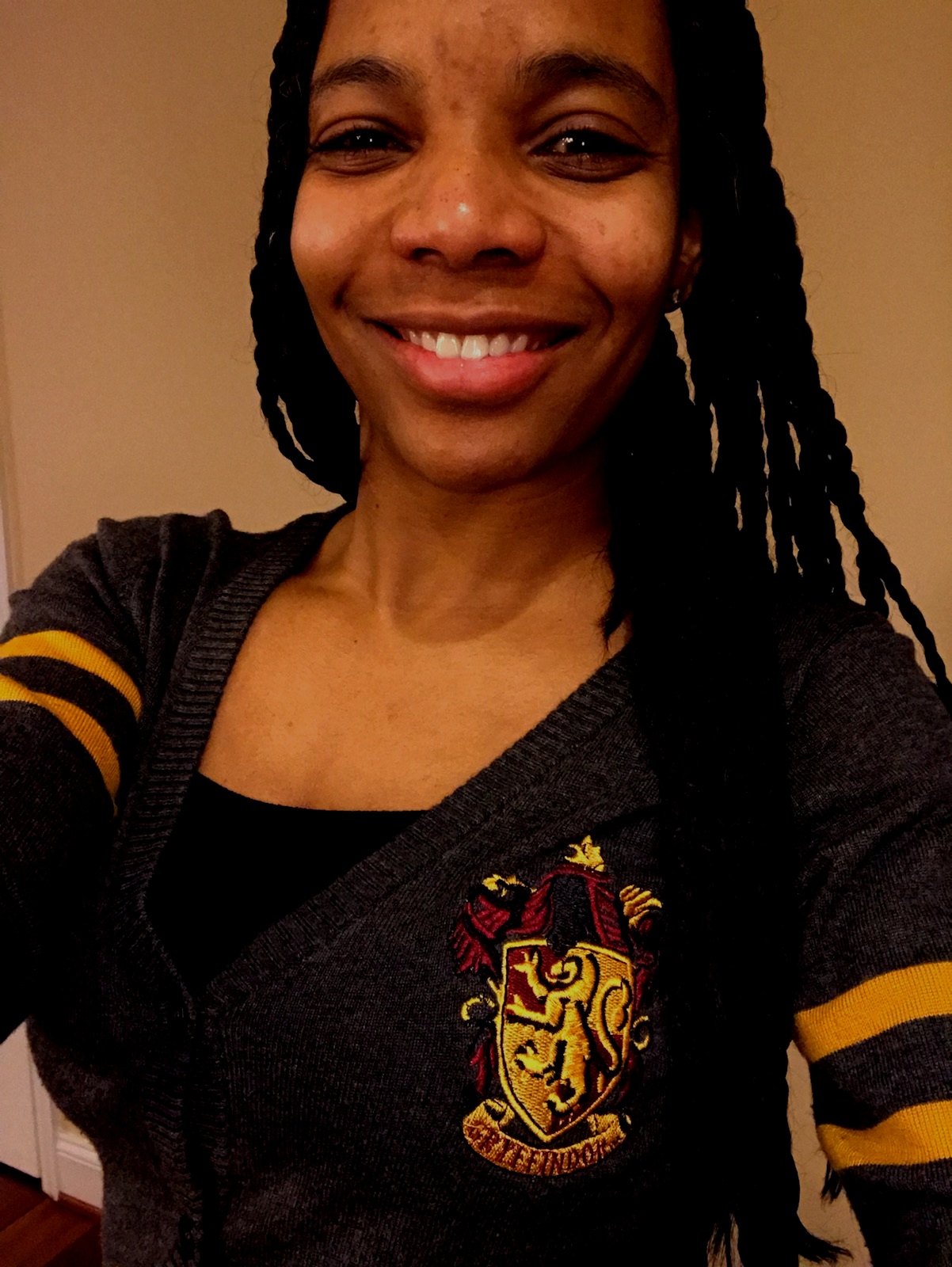
Finally Finding a Place in the Fandom
Stacie writes about how she finally found her place in the Potter fandom.

Representation vs Presentation: Writing Blackness into Dragon Age: Inquisition
When given the choice to play as your own race or a fantasy race, which would you choose? Janae’s answer may surprise you.
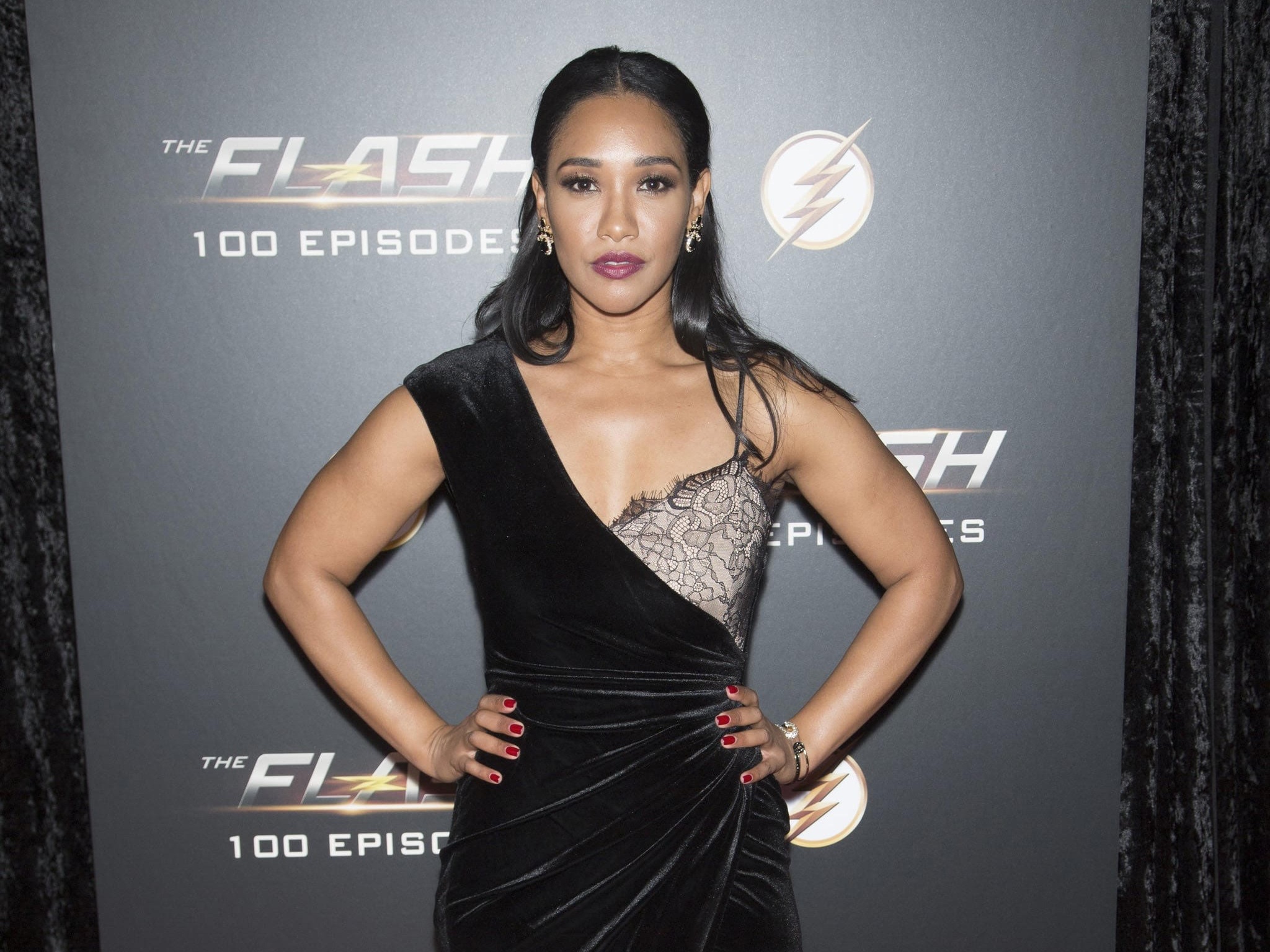
Show Some Respect To Iris West-Allen
Kemberlie wants us to give Iris West-Allen the respect she deserves.
The Invitation ‘Black is King’ Gives Us
DJ Wilson reflects on Beyoncé’s film ‘Black is King,’ and the invitation the project gives members of the African diaspora.