
Welp... You've found a missing page.
Need help finding something? Search below to to find what you’re looking for, or browse some bangers from the Obsidian Archive
Obsidian Archive

Black History Month and the Magic of Cultural Retention
DJ reflects on how Black cultural retention is its own form of magic and how it can be used in our every day to shape and mold our futures.

Have a Biscuit, Professor McGonagall
K. Alexandra writes about Minerva McGonagall, who inspires her in her own teaching.

Doctor Who’s Narratives on Race Have Improved — But Have a Long Way to Go
Doctor Who has increased both its racial representation and conversations on racism in recent years, but the show still has a lot of work to do when addressing in-universe racism.

How do the Character Descriptions in ‘Harry Potter’ Hold Up 20 Years Later?
Talia discusses the Harry Potter series falls subject to body shaming.
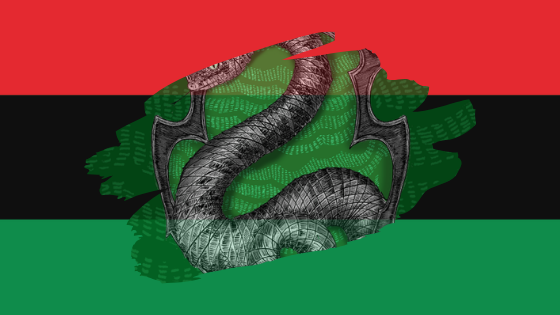
Exploring Slytherin House from a Black Historical Lens
Monika writes about her connection to Slytherin House and how it’s traits can tie to Black liberation.

A Seat on the TARBIS: In Defense of Danny Pink
Amani discusses Doctor Who’s Danny Pink, and why fans should give him a little more grace.

Nerd Love in the Time of Social Distancing
How can nerds date during a global pandemic? K. Alexandra offers some tips from her own experiences.
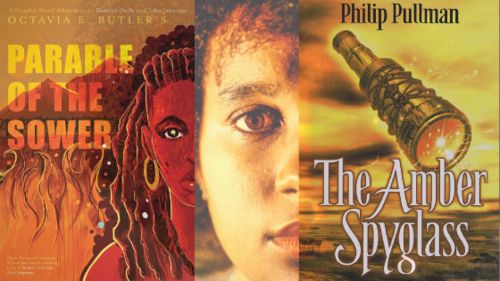
My Heaven is a Republic
Jessie Blount shares her two “spiritual texts” and how they’ve shaped her worldview.
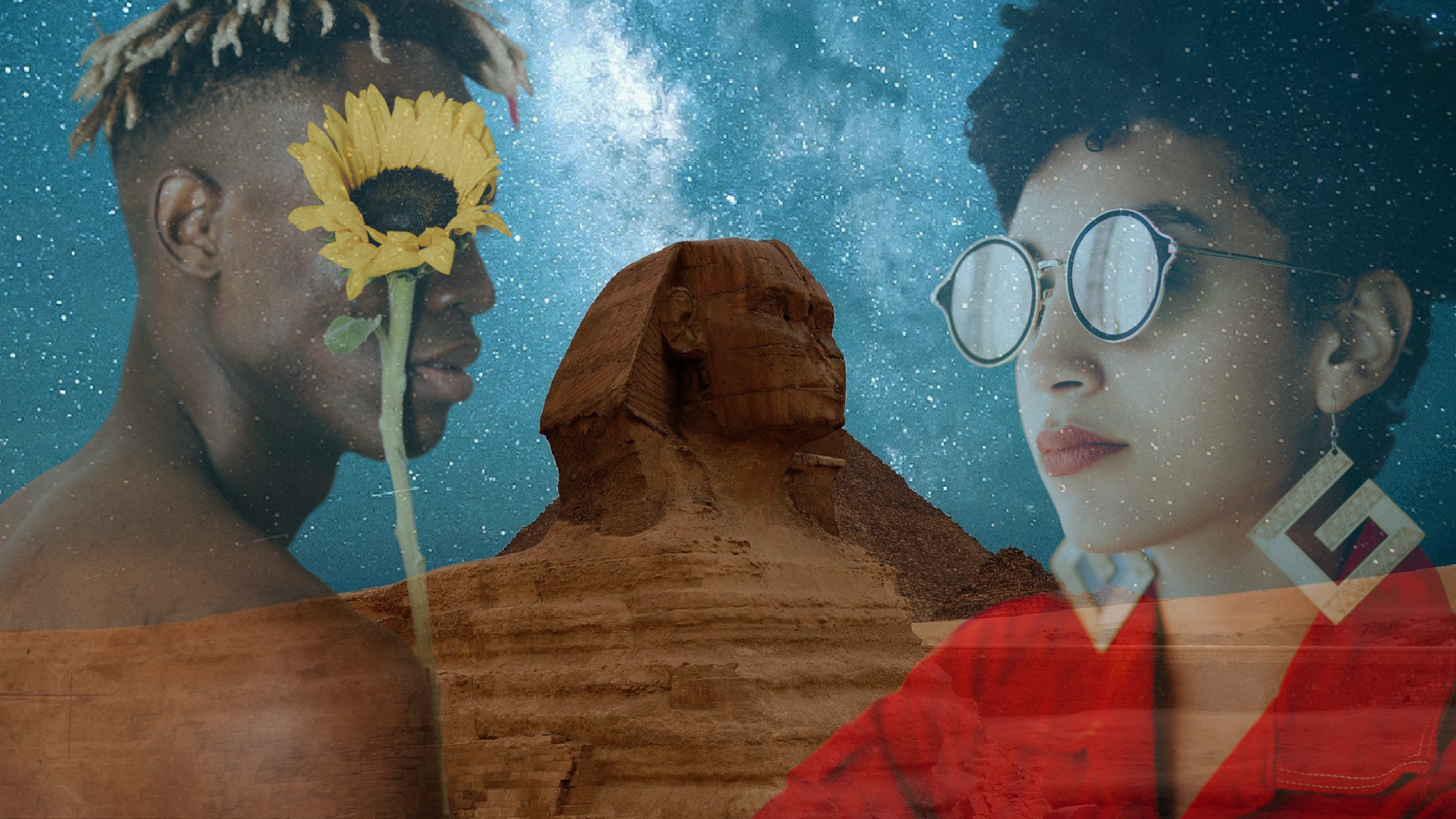
Imagining the Decolonization of Science Fiction
Nicole defines her view of Afrofuturism and imagines what science fiction could do if it wanted to be bold.
My Minister Been Black: An Analysis of Hermione Granger
Kai examines how Hermione’s Blackness puts the onus on her as a Black woman to save the Wizarding World.