
Welp... You've found a missing page.
Need help finding something? Search below to to find what you’re looking for, or browse some bangers from the Obsidian Archive
Obsidian Archive
Coping with the K-Pop Fandom as a Black Woman
Khadejah writes about how her love of K-Pop has been tested by its fandom.
Finally Finding a Place in the Fandom
Stacie writes about how she finally found her place in the Potter fandom.
The Importance of Creating Worlds for Young Black Readers
Abisola writes about Children of Blood and Bone and Daughters of Nri, and how they are important for young Black readers.

Nerd Love in the Time of Social Distancing
How can nerds date during a global pandemic? K. Alexandra offers some tips from her own experiences.
Exploring Slytherin House from a Black Historical Lens
Monika writes about her connection to Slytherin House and how it’s traits can tie to Black liberation.
Revisiting Harry Potter’s Final Battle: Where Did All the Kreatures Go?
Talia looks back at the final battle of Harry Potter and the Deathly Hallows Part 2, and searches for the magical creatures and the important role they should have played.
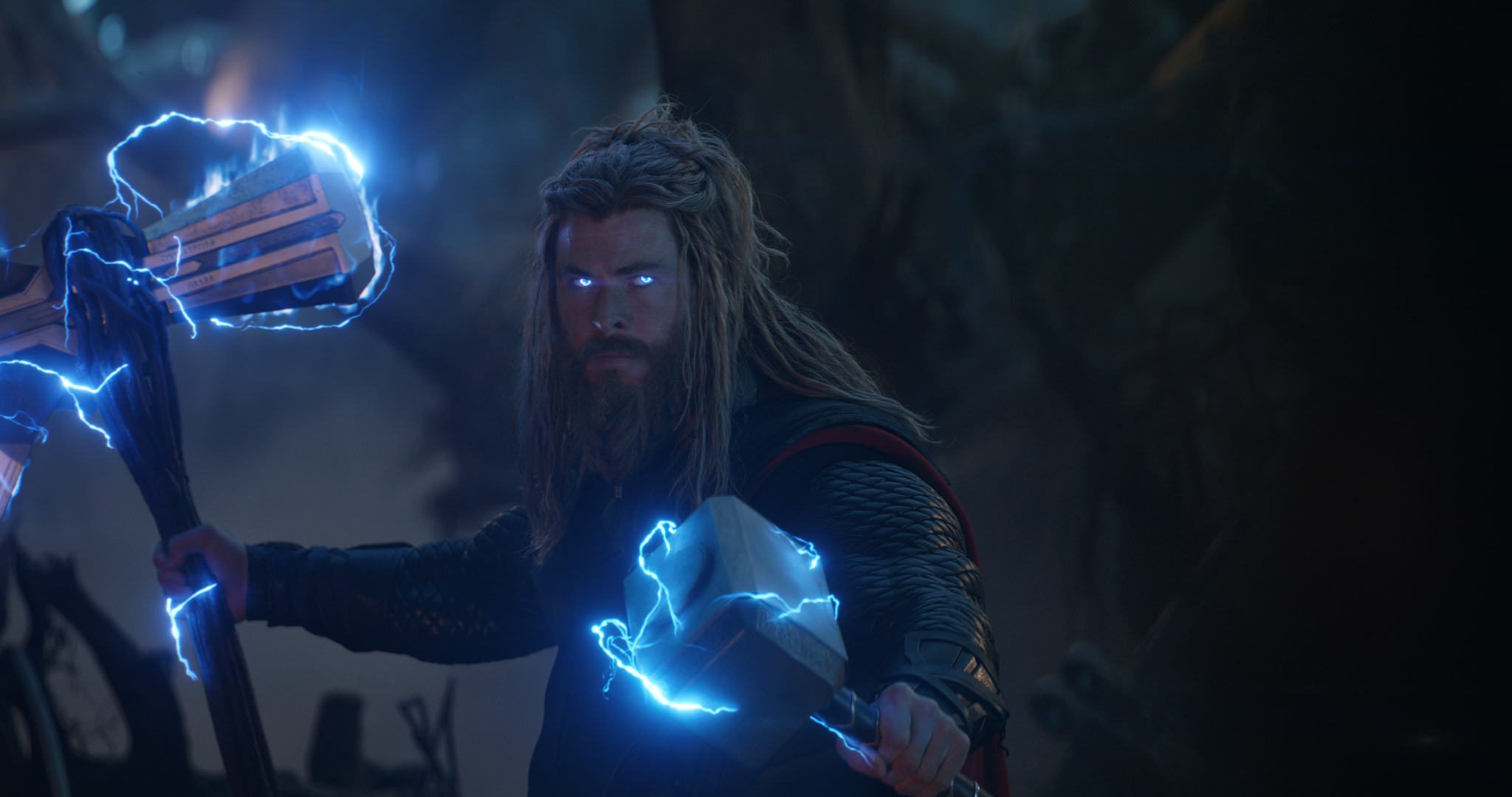
In Defense of Thaddy Thor’s Physique in Avengers: Endgame
Nicole discusses why she liked Thor’s character arc in Avengers: Endgame.
Introducing: Black Girls Nerd Out’s The Critical Companion
The Critical Companion series will feature bi-monthly blog posts written by Black writers. We hope those writers are some of you!
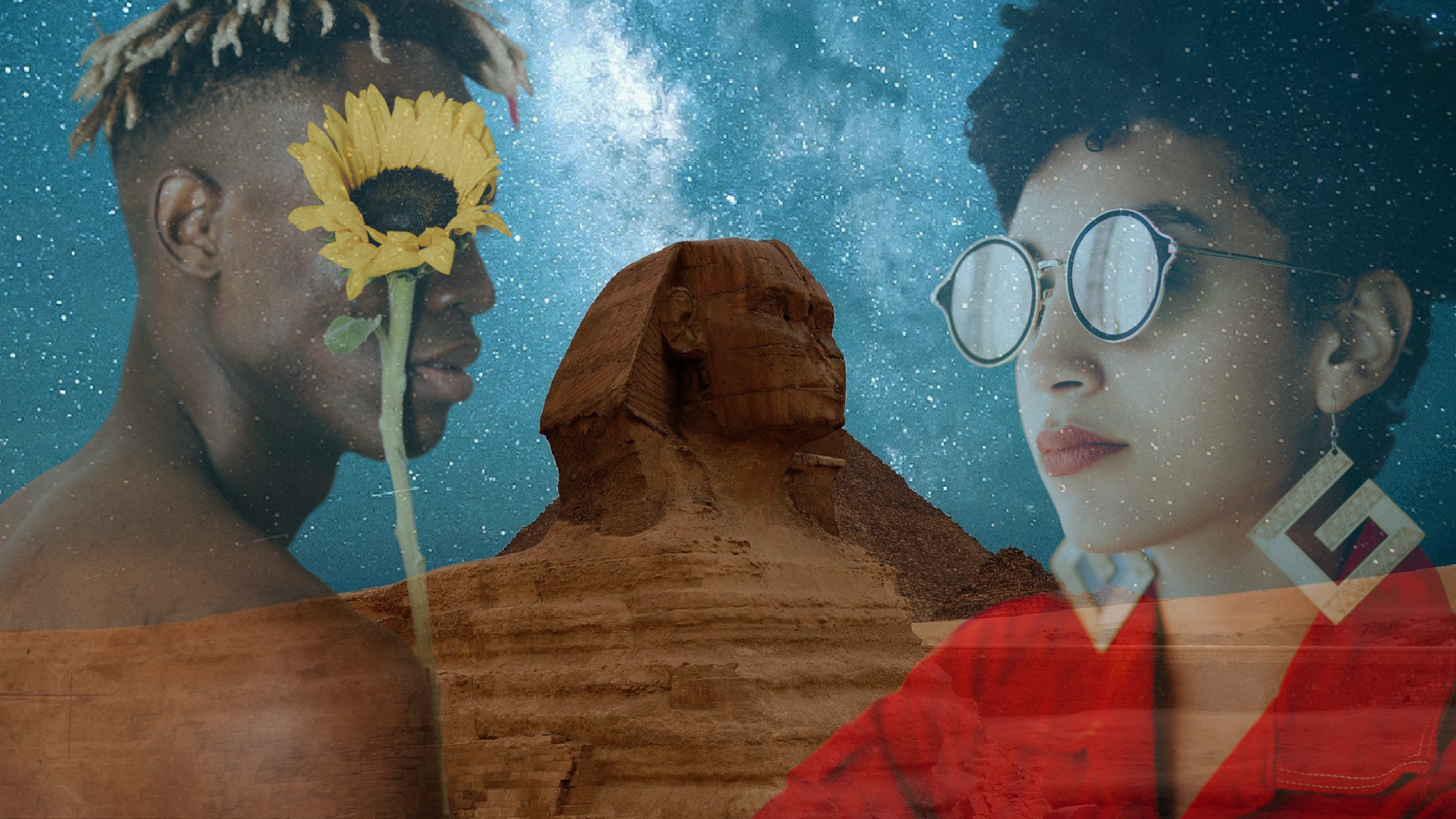
Imagining the Decolonization of Science Fiction
Nicole defines her view of Afrofuturism and imagines what science fiction could do if it wanted to be bold.
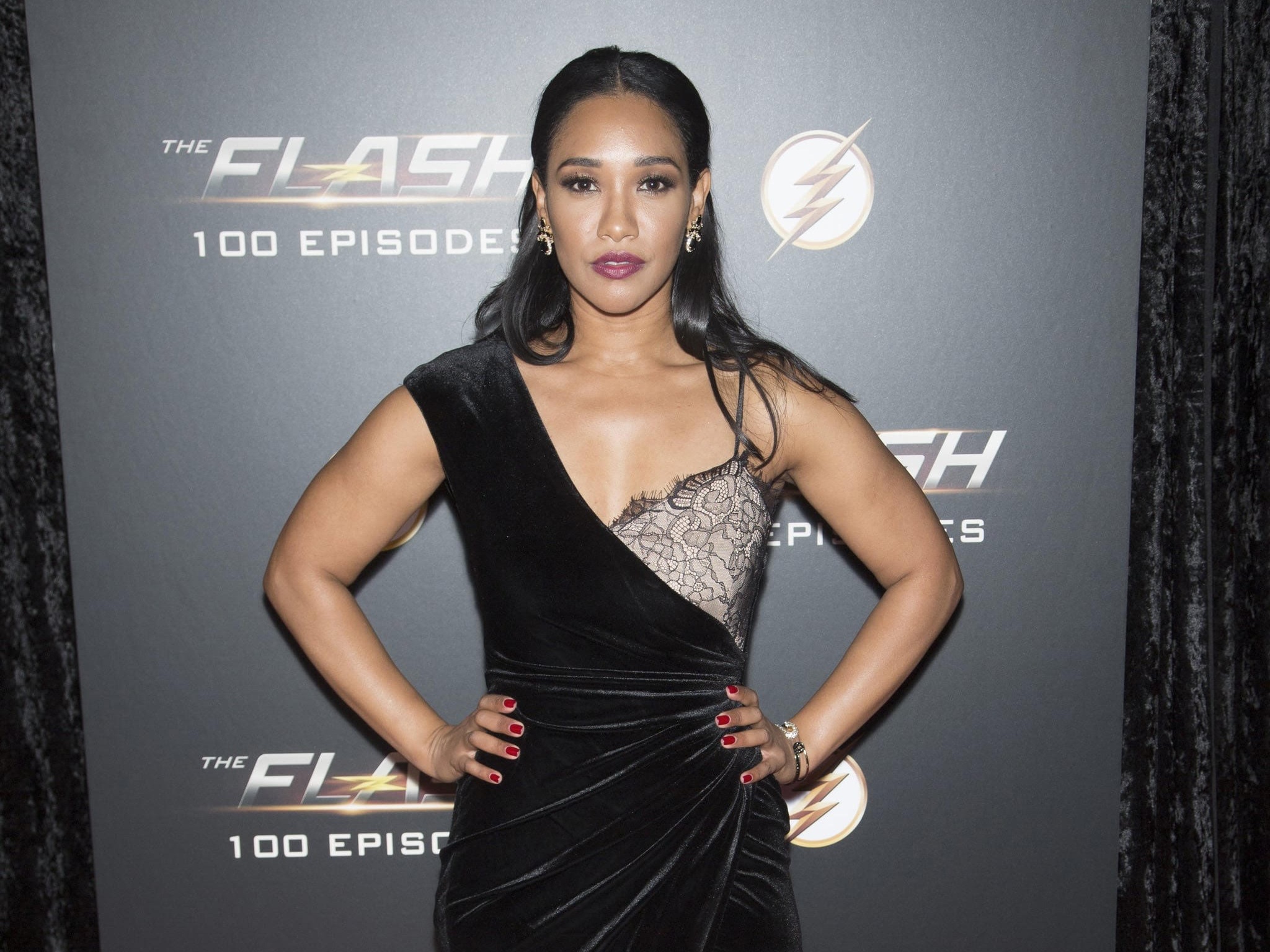
Show Some Respect To Iris West-Allen
Kemberlie wants us to give Iris West-Allen the respect she deserves.