
Welp... You've found a missing page.
Need help finding something? Search below to to find what you’re looking for, or browse some bangers from the Obsidian Archive
Obsidian Archive
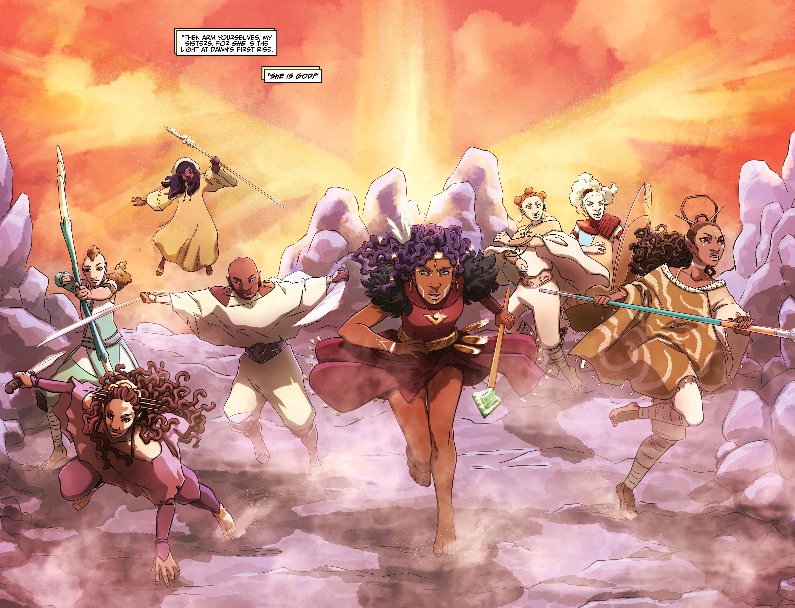
Niobe and the Power of Life and Death
Latonya finds Stranger Comics’ Niobe Ayutami to be an inspiration in the way she embodies life and death.

Representation vs Presentation: Writing Blackness into Dragon Age: Inquisition
When given the choice to play as your own race or a fantasy race, which would you choose? Janae’s answer may surprise you.

Have a Biscuit, Professor McGonagall
K. Alexandra writes about Minerva McGonagall, who inspires her in her own teaching.
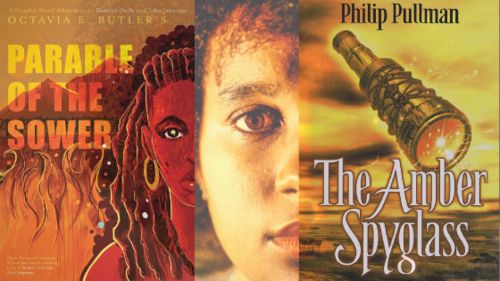
My Heaven is a Republic
Jessie Blount shares her two “spiritual texts” and how they’ve shaped her worldview.
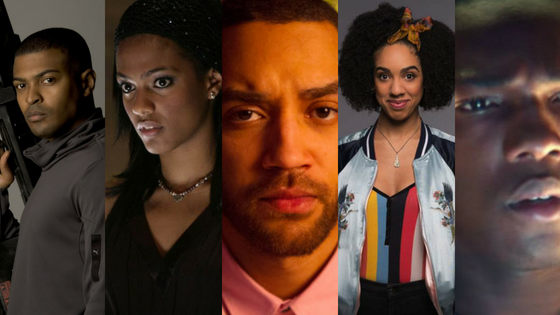
Doctor Who’s Narratives on Race Have Improved — But Have a Long Way to Go
Doctor Who has increased both its racial representation and conversations on racism in recent years, but the show still has a lot of work to do when addressing in-universe racism.

A Seat on the TARBIS: In Defense of Danny Pink
Amani discusses Doctor Who’s Danny Pink, and why fans should give him a little more grace.
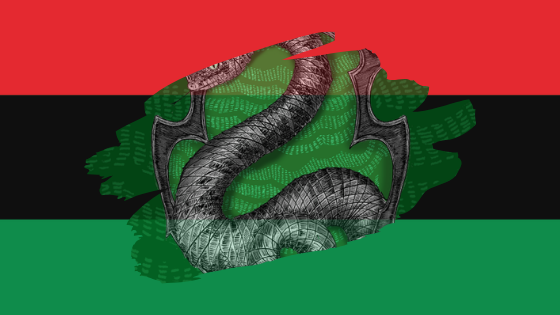
Exploring Slytherin House from a Black Historical Lens
Monika writes about her connection to Slytherin House and how it’s traits can tie to Black liberation.
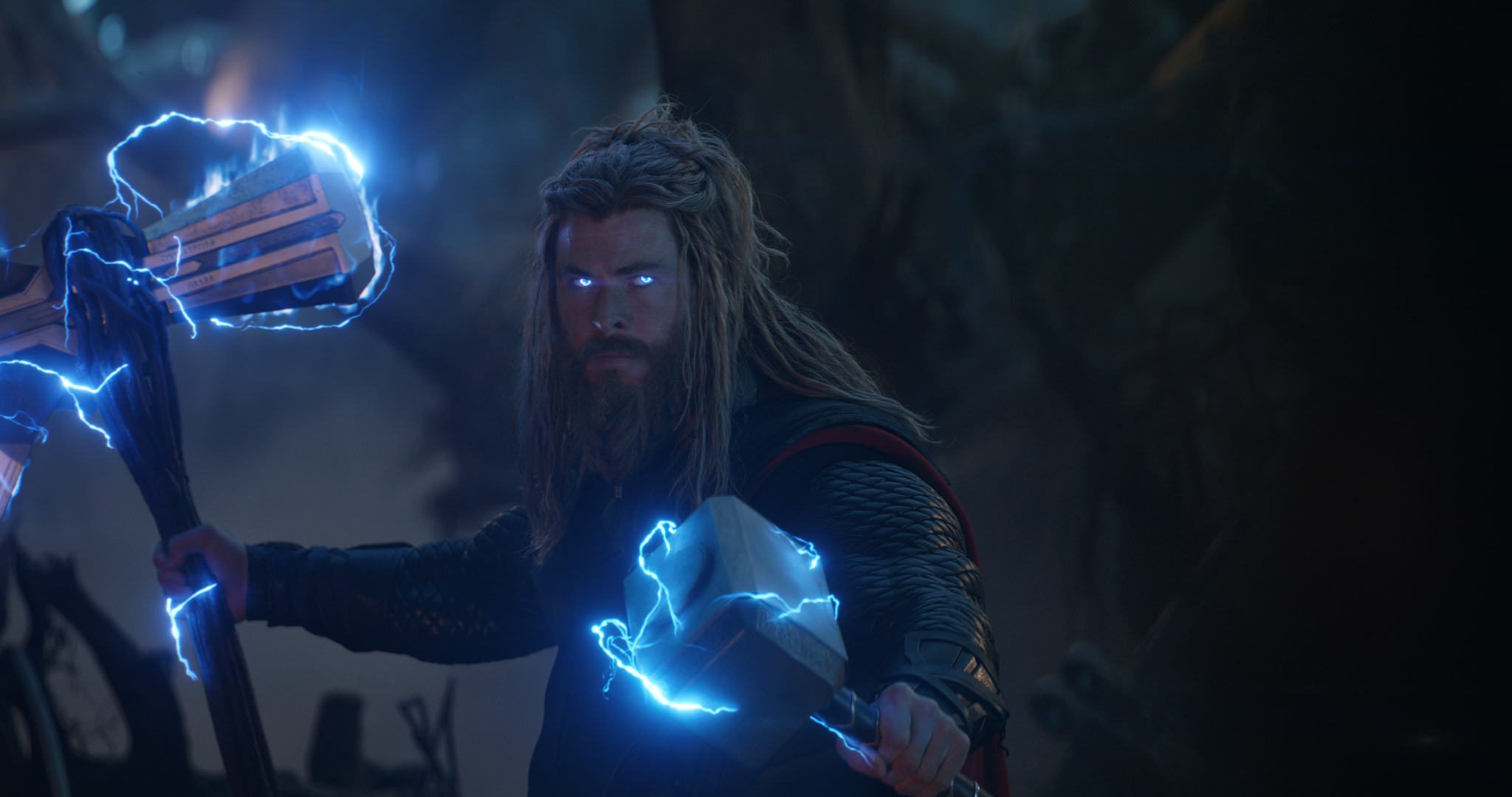
In Defense of Thaddy Thor’s Physique in Avengers: Endgame
Nicole discusses why she liked Thor’s character arc in Avengers: Endgame.

Show Some Respect To Iris West-Allen
Kemberlie wants us to give Iris West-Allen the respect she deserves.
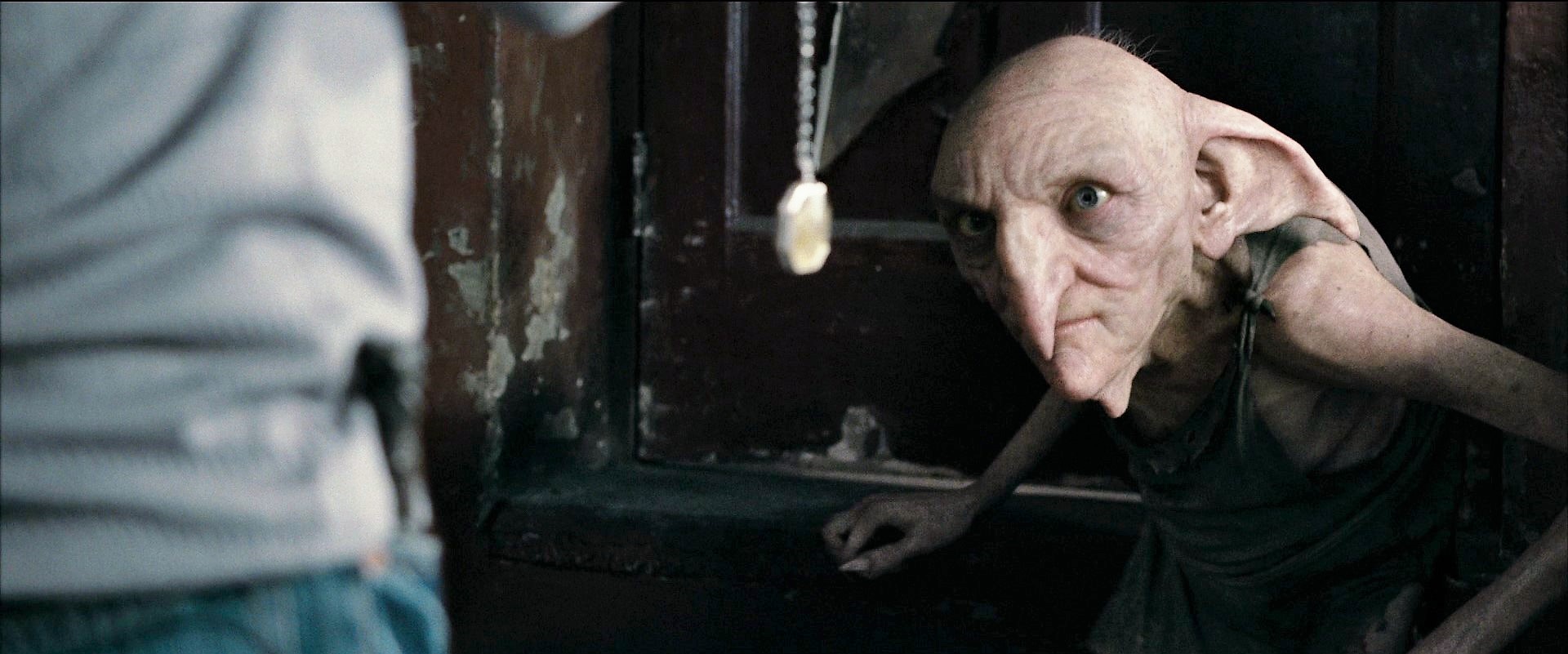
Revisiting Harry Potter’s Final Battle: Where Did All the Kreatures Go?
Talia looks back at the final battle of Harry Potter and the Deathly Hallows Part 2, and searches for the magical creatures and the important role they should have played.